
Investing in Rancho Penasquitos, CA Real Estate: Market Trends and ROI in 2026
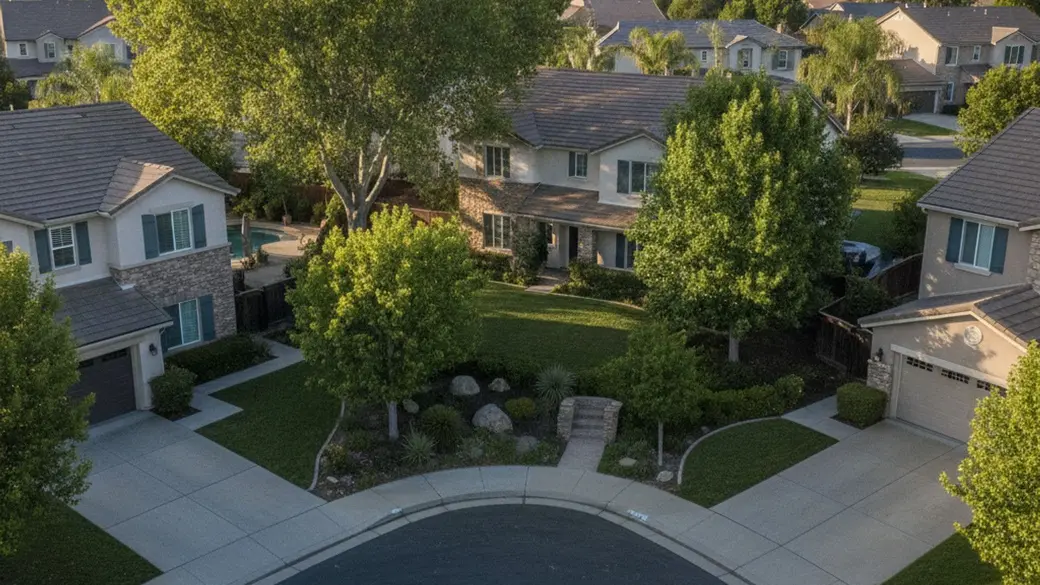
In the Rancho Penasquitos, CA housing market, homes are selling for a median price of roughly $1.33 million right now. The 92129 zip code is a mature, built-out suburban community inside the San Diego metro - not a neighborhood in transition, but an established one with a stable tenant base and steady long-term demand.
Whether it makes sense for you comes down to capital and strategy. The entry price makes traditional cash-flow investing genuinely hard. That said, rental rates are strong and the historical equity growth is real. You're weighing a high upfront cost against the kind of long-term appreciation that tends to show up in built-out San Diego submarkets.
Market Fundamentals for Rancho Penasquitos, CA Properties
As of mid-2026, inventory sits at about 1.5 months of supply - tight enough that buyers are competing for whatever comes available. Active listings are going under contract in roughly 17 days on average.
Sellers still have the upper hand despite a slight year-over-year price dip. Recent data puts sellers at roughly 100.4% of list price on average. About 130 homes sold in the most recent reporting period, pulling from an active inventory of just 62 properties. That gap between supply and closed sales tells you a lot about how this market operates.
Current Home Prices and Days on Market
The median sale price sits at approximately $1,329,700 - down about 6% year-over-year, but that's still a minor move in a market at this price point. Detached single-family homes can run higher, with some sources placing their median closer to $1.35 million or $1.45 million in recent months.
Homes spend a median of 17 days on the market. Close to half of recent sales closed above asking. If you're eyeing a well-maintained home in one of the popular subdivisions, plan for a bidding war.
Local Population and Rental Demand
The population of Rancho Penasquitos falls somewhere between 43,000 and 60,000 residents, depending on which neighborhood boundaries you use. The median age is 41. Growth here is slow and organic - mostly turnover rather than new arrivals - because the area is already heavily developed.
Rental demand holds steady. Monthly rates vary by property size, with overall market averages running between $3,035 and $4,492 per month. A two-bedroom unit averages around $3,000 a month; a four-bedroom house can get you approximately $5,450. Those aren't starter-market numbers, and the tenant pool here reflects that.
Proven Strategies for the Local Market
High purchase prices make traditional cash-flow investing difficult without a substantial down payment. Benchmarks like the 1% or 2% rules aren't realistic here - a $1.33 million home would need to rent for $13,300 to $26,600 a month to satisfy them, which is well above what the local market supports.
So investors in Rancho Penasquitos, CA lean on equity paydown and long-term appreciation instead. Buy-and-hold investors use the area's strong tenant demand to cover holding costs while the property gains value. Flippers look for dated properties they can renovate and move to retail buyers.
Buy-and-Hold Rentals and House Flipping
Buy-and-hold works best if you have enough capital to absorb negative cash flow in the early years without losing sleep. The rental income offsets the mortgage, property taxes, and maintenance - it just may not fully cover them. Over a decade, the natural appreciation of San Diego County real estate tends to be where the real return shows up.
Flipping means finding something priced well below the $1.33 million median, which is its own challenge. With only 62 active listings in the zip code, off-market sourcing isn't optional - it's the job.
Applying the 70% and 3-3-3 Rules
Flippers generally use the 70% rule to set their maximum purchase price: no more than 70% of the after-repair value, minus renovation costs. In a market where carrying costs on a million-dollar loan add up fast, that ceiling exists for a reason.
The 3-3-3 rule maps out the timeline - three months to find the property, three months to renovate, three months to sell. Staying on that schedule matters when you're paying interest on a loan at this price point.
Short-Term and Month-to-Month Rentals
Rancho Penasquitos falls under the City of San Diego's Short-Term Residential Occupancy (STRO) ordinance, which has been in effect since 2023. Any rental under 31 consecutive nights requires a license. You'll need the right tier secured before you list anything on Airbnb or VRBO.
There are four license tiers. Tier 1 covers home-sharing. Tier 2 covers renting out a whole primary residence. Tier 3 applies to whole-home rentals for non-primary residences and operates under a citywide numerical cap. Tier 4 is restricted to Mission Beach properties.
San Diego STRO Regulations
As of mid-2026, applications remain open for the first three tiers, but the Tier 4 waitlist is closed. If you're buying specifically to run a dedicated short-term rental, verify Tier 3 license availability before you're under contract - not after.
Operating without a valid STRO license carries significant fines. Factor the license cost and local lodging taxes into your ROI calculations from the beginning. The city enforces these rules across all neighborhoods, and Rancho Penasquitos is not an exception.
Furnished and Month-to-Month Income
Because Tier 3 licenses are capped, a lot of investors pivot to furnished mid-term rentals instead. Rentals of 31 days or more fall outside the STRO requirement entirely. The target tenant here is a traveling nurse, a corporate relo, or a family in temporary housing waiting for something permanent.
Furnished mid-term rentals typically command higher rates than standard unfurnished annual leases. A well-appointed four-bedroom home could exceed the $5,450 average rent when marketed to the right corporate clients. You get better gross income without the daily turnover of a vacation rental.
Finding Investment Properties and Commercial Real Estate
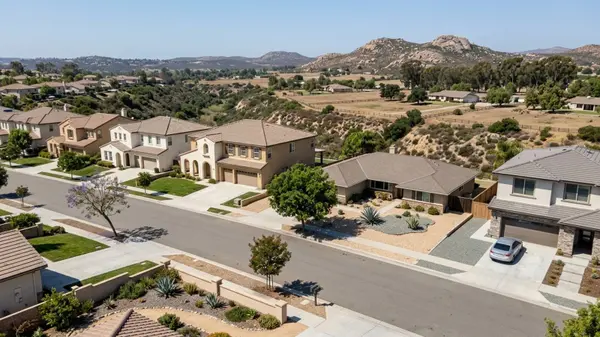
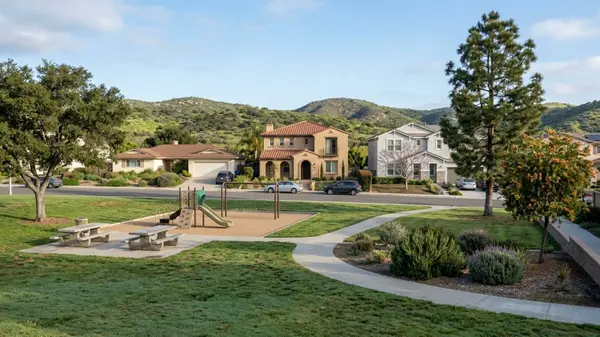
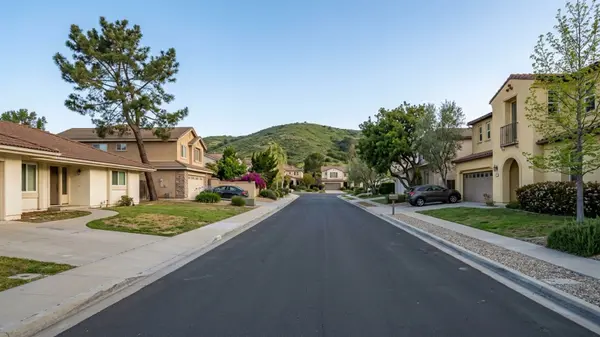
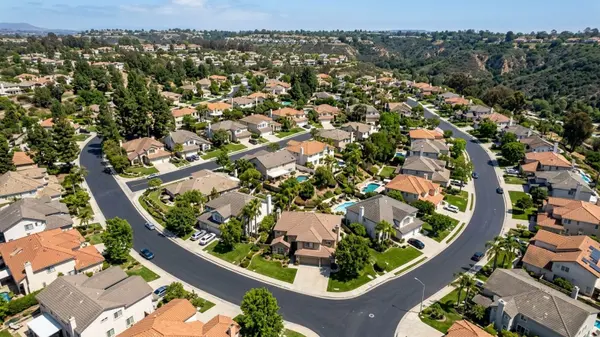
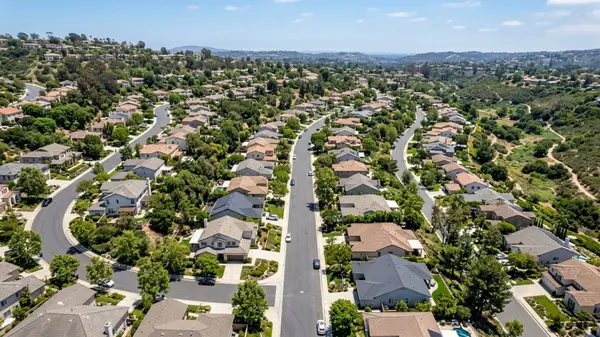
The 92129 zip code is primarily built-out suburban subdivisions - single-family homes and attached townhomes, with neighborhoods like Park Village and Twin Trails representing different entry points. Townhomes generally come in at a lower purchase price, which helps the initial rent-to-price ratio.
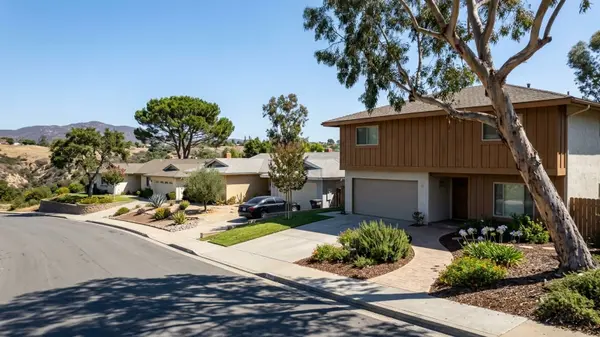
Single-family homes in established tracts attract long-term tenants who care about specific amenities and school boundaries. The entry price is higher, but detached homes tend to hold their value - and appreciate - more reliably. Before you zero in on a neighborhood, pull recent sales data for the specific subdivision you're considering.
Neighborhoods with Strong ROI Potential
Attached units near transit corridors or retail centers often produce better immediate rental income - they appeal to younger tenants and smaller households looking for low-maintenance living.
Larger detached homes draw a different tenant: one who's willing to pay a premium rent and tends to stay longer. Lower turnover means lower vacancy costs, which matters more than most first-time investors expect. You're trading a higher purchase price for a more stable lease.
Reviewing Commercial and Wholesale Opportunities
Commercial real estate in the area runs toward retail plazas and office spaces serving the local population. These require specialized commercial financing and carry longer lease terms - a different world from residential if you're not already in it. Multi-tenant retail spaces are the main avenue for investors looking to move outside residential housing.
Wholesale deals do surface occasionally, usually when long-time owners decide to sell without the hassle of the open market. A wholesaler locks up the contract and assigns it to an end buyer for a fee. Building relationships with active local wholesalers is one of the few reliable ways to see properties before they hit the MLS.
How to Finance and Protect Your Investment
California's Proposition 13 limits annual property tax increases to 2% - unless the property changes ownership or undergoes new construction, at which point the assessed value resets to the purchase price. The base tax rate is 1% of assessed value, but voter-approved bonds and local fees push the effective rate in San Diego County to between 1.02% and 1.25%.
That reset matters. When you buy, your tax bill is calculated on what you paid - not what the previous owner paid years ago.
Property Taxes and Holding Costs
On a $1.33 million purchase, you're looking at an annual property tax bill of roughly $13,566 to $16,625. That's a real line item in your monthly cash flow. Stack insurance, maintenance, and HOA dues on top of that, and your holding costs get substantial fast.
HOA fees are common in Rancho Penasquitos, especially for condos and townhomes. They cover exterior maintenance and community amenities, but every dollar of HOA dues is a dollar off your net operating income. Before closing, review the association's financials carefully - a poorly funded reserve account is how you end up with a surprise special assessment.
Working with Local Real Estate Investor Groups
San Diego real estate investment associations are worth your time. They're where off-market deals get shared, where you find contractors who've actually worked in the zip code, and where you can talk to landlords who know exactly what a specific floor plan rents for. Learning from people who've already made the expensive mistakes is underrated.
For out-of-state or passive investors especially, building a team - local escrow, a property manager who knows 92129, a reliable contractor - isn't optional. A good property manager won't give you a range; they'll tell you what your specific unit will rent for. That's the kind of ground-level data you can't get from a spreadsheet.
Frequently Asked Questions (FAQ)
What kind of monthly rental income can I expect from an investment property in Rancho Penasquitos?
It depends on the size and type of the property. Rent averages range from roughly $3,000 for a two-bedroom unit to around $5,450 for a four-bedroom house. Overall market averages sit between $3,035 and $4,492 per month.
How does investing in Rancho Penasquitos compare to buying in neighboring Carmel Valley or Mira Mesa?
It depends on your investment strategy and budget. Rancho Penasquitos requires a higher capital entry, with median sale prices around $1.33 million, but offers strong tenant demand. Buyers weighing nearby areas should compare the specific rent-to-price ratios and local STRO regulations.
Are condos or single-family homes a better real estate investment in Rancho Penasquitos right now?
It depends on your budget and cash flow goals. Condos require a lower initial investment and often yield a better immediate rent-to-price ratio. Single-family detached homes, which currently have a median sale price around $1.33 million, typically offer stronger long-term appreciation.
Are there high Mello-Roos or HOA fees in Rancho Penasquitos that could eat into my cash flow?
Yes, and you should account for both before you run your numbers. The base property tax rate is 1%, but local assessment bonds push the effective rate to between 1.02% and 1.25%. HOA dues on townhomes and condos add another layer - they need to be factored into your monthly expenses from day one.
How does the Poway Unified School District impact rental demand and vacancy rates in Rancho Penasquitos?
School district boundaries are a real driver of tenant demand here. Properties within the Poway Unified School District boundaries tend to see consistent interest. Verify the exact boundary lines before you purchase - they determine which neighborhood amenities a tenant can access, and that matters to the tenant pool this market attracts.
What is the historical property appreciation rate for homes in the Rancho Penasquitos area?
Appreciation rates vary, but limited inventory supports long-term equity growth. The most recent data shows a slight 6% year-over-year dip in median sale prices to roughly $1.33 million - but the long-term trend in this built-out suburban community has been upward. Limited new construction is a big part of why that holds.
Categories
Recent Posts
GET MORE INFORMATION