
The History of Rancho Penasquitos, CA: Name Origins, Founding, and Local Landmarks
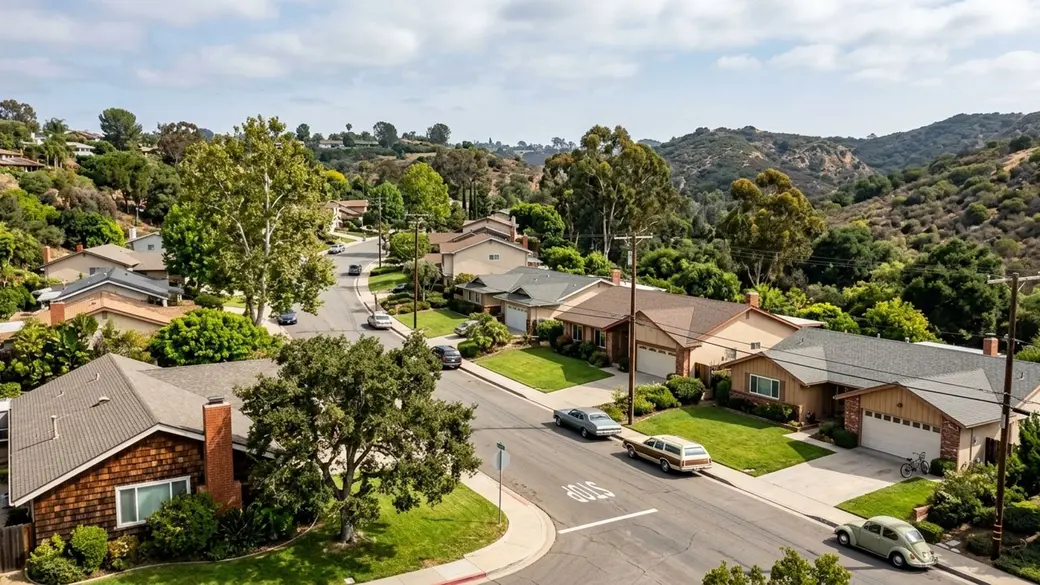
Rancho Penasquitos, CA has the kind of history most Southern California neighborhoods can't claim - a story that starts with an 1823 Mexican land grant, runs through a century of cattle ranching, and lands squarely in a 1970s suburban boom that shaped everything you see here today. If you're thinking about living in Rancho Penasquitos, that context matters more than you might expect.
The median sale price in the 92129 ZIP code sits around $1,329,700, homes are moving in roughly 17 days on average, and available inventory holds at around 62 homes at any given time. It's a tight market. Before you commit, it's worth understanding what you're actually buying into - and in Rancho Penasquitos, that means knowing the land's history as well as its price per square foot.
A Quick Look at Rancho Penasquitos History
This community holds a distinction most San Diego neighborhoods can't touch: it was the first Mexican land grant in San Diego County. In 1823, Captain Francisco María Ruiz, Commandante of the San Diego Presidio, received that grant and named it Rancho Santa Maria de Los Peñasquitos. His nephew, Francisco María Alvarado, later purchased and expanded the property in 1837, and for decades the land worked as a cattle ranch and served as a stagecoach and wagon road way station between the coast and points east. That agricultural identity stuck for well over a century.
Is It a City or a Neighborhood?
Rancho Penasquitos is not an independent, incorporated city. It's a recognized community within the City of San Diego, which means police, fire, permitting - all of that runs through San Diego municipal services.
It's big enough and geographically distinct enough that it feels like its own town, but legally it isn't. The historic core sits within the Los Peñasquitos Canyon Preserve, completely separate from the modern residential subdivisions that ring it. That separation is part of what gives the place its character.
Location Details and County Boundaries
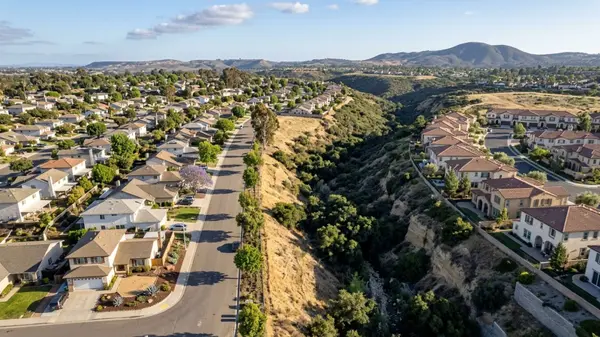
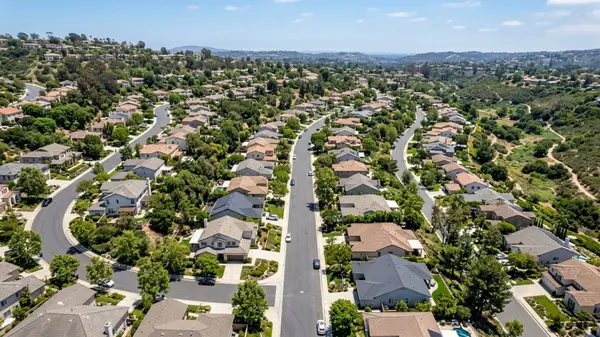
Rancho Penasquitos sits entirely within San Diego County - inland, north-central, no county line crossings. The neighborhood is anchored by the Los Peñasquitos Canyon Preserve, a significant open space that forms a natural boundary separating it from communities to the south. It's rugged terrain out there, and that topography shapes everything from the street layouts to the fire risk conversations buyers need to have before closing.
Where the Community Sits in San Diego
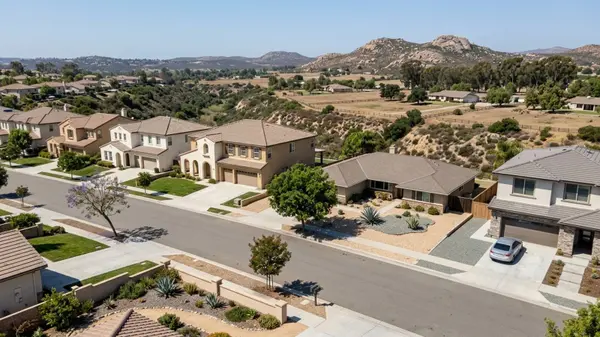
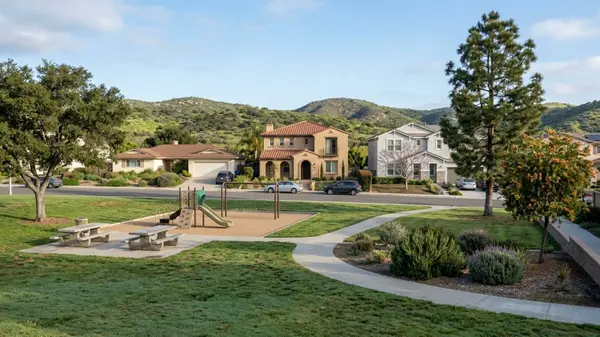
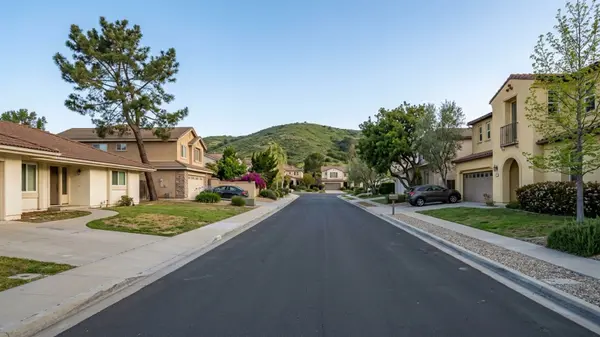
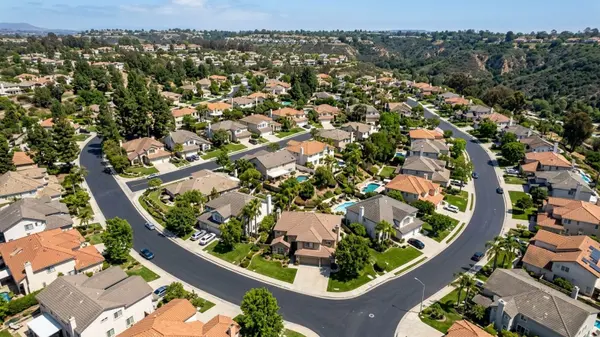
The modern residential sub-areas - Park Village, Adobe Bluffs, and others - developed to the north and east of the original canyon core. Those subdivisions are where the current housing market lives. Because everything here falls within the City of San Diego limits, property taxes and local governance operate under the city's jurisdiction. Factor standard San Diego municipal rates into your monthly numbers.
The Meaning Behind the Name Rancho Penasquitos
The name comes straight from Spanish. "Peñasquitos" translates to "little cliffs" - a direct reference to the rugged palisades and steep drop-offs along the canyon walls. When Captain Ruiz secured the land grant in 1823, the landscape did the naming for him. Those cliffs are still there, still defining the canyon preserve, still worth seeing.
From Land Grant to Modern Suburbs
The shift from open ranch land to residential community started in the mid-20th century. Real estate developer Irvin Kahn purchased the land in 1962, which set the development machinery in motion. Before that purchase, the area had seen very little modern construction.
Kahn's acquisition laid the groundwork for the subdivisions that now define the 92129 real estate market. The historic canyon core was left intact. The surrounding hillsides were graded for housing.
The 1970s Housing Boom
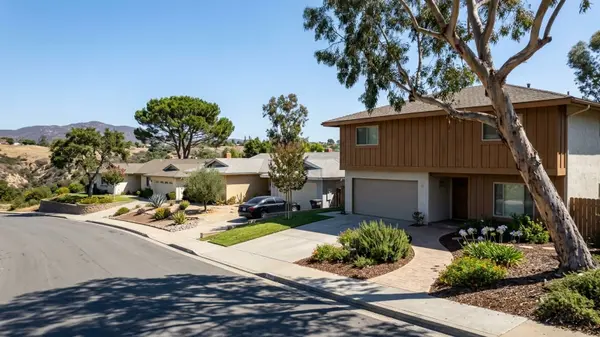
The bulk of the community's housing stock went up during the 1970s - thousands of single-family homes built to keep pace with San Diego's growing population. Those properties form the baseline inventory you'll encounter today. Many have been extensively renovated over the past fifty years; many still carry their original bones.
At a median price of $1,329,700, with homes regularly closing above list, these mid-century builds command real money. Age doesn't discount them here.
Historic Sites and the Oldest Residence in San Diego
The landmark that defines this community is The Rancho Peñasquitos Adobe, also known as the Johnson-Taylor House. Built in 1823 and located directly within the Los Peñasquitos Canyon Preserve, it holds the title of the oldest known residence in San Diego. It's listed on the National Register of Historic Places and sits at the center of a National Historic and Archaeological District. That's not decorative history - it's a federally recognized site surrounded by 1970s tract homes, which is a combination you don't find everywhere.
Touring the Los Peñasquitos Ranch House
The property operates today as a house museum run by the County of San Diego. Walk the grounds, and you get a clear picture of what early California ranching life actually looked like. The nonprofit Friends of Los Peñasquitos Canyon Preserve runs guided tours.
It's a genuine educational resource - popular with school groups and residents who want to understand the 1823 land grant era beyond a plaque on a wall.
Local Claims to Fame and Notable Residents
First Mexican land grant in San Diego County. Primary stagecoach and wagon road way station between San Diego and points east during the 1800s. Those are the historical credentials. On the more recent side, Rancho Penasquitos has been home to singer Adam Lambert, actress Kelly Marie Tran, and writer Troy Johnson.
Frequently Asked Questions
When were most of the original single-family homes in Rancho Penasquitos built?
Most were built during the 1970s. Developer Irvin Kahn purchased the land in 1962, which started the large-scale residential planning, and the housing construction followed over the next decade-plus. Those mid-century builds make up a large share of the inventory you'll see on the market today.
Are there any historic preservation rules or older HOA restrictions buyers should know about in Rancho Penasquitos?
It depends on the specific subdivision. The Rancho Peñasquitos Adobe is strictly protected under the National Register of Historic Places, but most 1970s residential neighborhoods don't carry historic preservation restrictions. That said, individual HOA rules vary - read the Homeowners Association documents for your specific tract carefully before you close.
What are the most common plumbing or foundation issues found in the older 1970s builds of Rancho Penasquitos?
Homes from the 1970s are now over fifty years old, and they show it in predictable ways - aging plumbing materials and settling slabs are the most common concerns. Hire a licensed inspector, have them look hard at the foundation and pipes, and go in with realistic expectations. Upgrading those systems is a standard project for new owners here.
How does the historical development and lot sizing of Rancho Penasquitos compare to newer nearby communities like Carmel Valley?
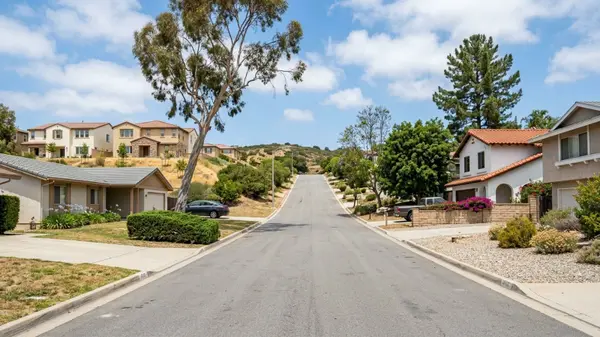
Rancho Penasquitos developed primarily in the 1970s, which typically means wider streets and different lot configurations than you'd find in newer master-planned communities. The original subdivisions were designed around the natural topography of the canyon preserve. If you're comparing the two areas side by side, the architectural styles alone will tell you you're looking at different eras.
Are there any special San Diego city permits required to remodel or add an ADU to the older, original homes in Rancho Penasquitos?
Yes. Because Rancho Penasquitos is part of the City of San Diego, any major remodel or Accessory Dwelling Unit (ADU) addition goes through the city's building department. Current San Diego zoning and construction codes apply. No workarounds there.
Does a property's proximity to the historic Los Peñasquitos Canyon Preserve impact its fire insurance rates or building restrictions?
It can. Homes adjacent to open spaces like the Los Peñasquitos Canyon Preserve often fall into higher fire hazard severity zones, and that shows up in your insurance costs. Get quotes early in the escrow process - don't wait until the last week to find out what coverage actually costs and what it requires.
Categories
Recent Posts
GET MORE INFORMATION