
Property Taxes in Rancho Penasquitos, CA: Rates, Calculations, and Payments
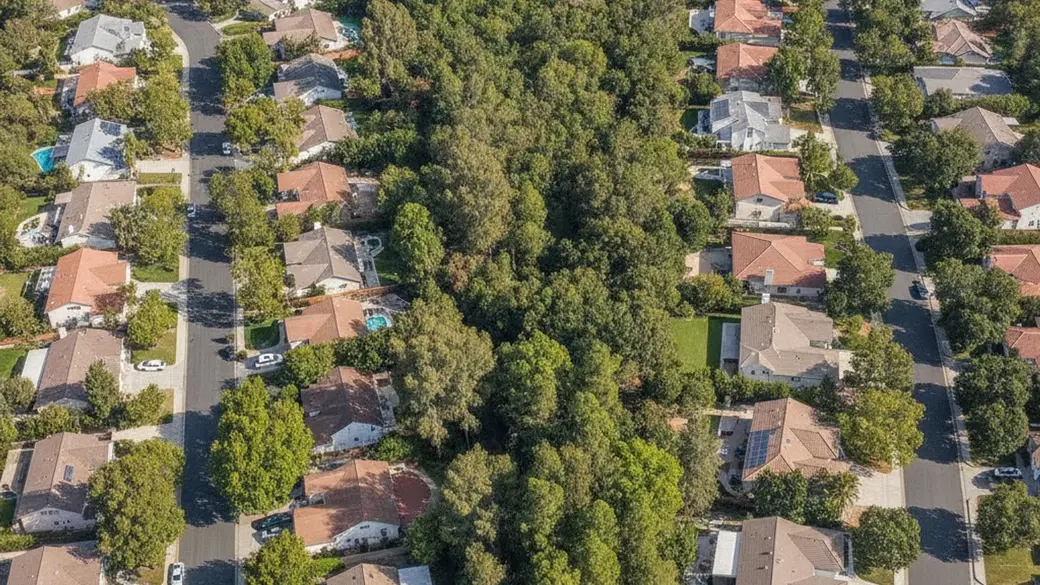
Homes in the 92129 ZIP code are moving fast in 2026. The median sale price in Rancho Penasquitos sits at roughly $1,330,000, and properties are typically going under contract within 17 days. If you're stepping into the Rancho Penasquitos housing market, you need to know what a million-dollar-plus home actually costs to carry - not just the mortgage.
Property taxes here follow California's statewide structure, but local additions make the final bill specific to this neighborhood. The number on the previous owner's tax bill is almost certainly not your number. Understanding how the county arrives at assessed value - and how local bond measures layer on top - means no unpleasant surprises after you close.
Property Tax Rates in Rancho Penasquitos
California law sets a base property tax rate of 1% for all real estate in the state, applied evenly across San Diego County. Your actual bill will land higher than that 1%, because voter-approved bonds and fixed charges get added on top. Those additions fund local school districts, water infrastructure, and emergency services.
The exact percentage depends on the specific tax rate area where a given house sits. Different parts of Rancho Penasquitos fall into different tax rate areas based on school boundaries and utility service zones, so the only number that really matters is the one tied to the specific address you're buying. A countywide average won't tell you much.
How Assessed Value Works Under Proposition 13
Proposition 13 caps how much your assessed value can increase each year. When you buy, the San Diego County Assessor sets your base year value - almost always the purchase price.
From that point forward, the assessed value can't rise by more than 2% annually, no matter what the open market does. That protection matters a lot in a neighborhood like this, where values have moved substantially over time. It also explains the gap you'll often see between a longtime owner's tax bill and what you'll owe from day one.
Calculating Your Property Tax Bill
At the median price of $1,330,000, the base property tax before any local bonds is $13,300. That's your floor, not your ceiling. Because of Proposition 13, a seller who bought their home two decades ago is paying taxes on a significantly lower assessed value - so whatever they're paying now has almost nothing to do with what you'll owe.
Start with 1% of your expected purchase price. Then pull the current tax bill for the specific address and look at the fixed charges and bond percentages assigned to that parcel. Add those to your base calculation and you'll have a realistic projection of your first year's tax liability.
Using a Property Tax Estimator
Online calculators can give you a reasonable starting point - enter your target purchase price and the Rancho Penasquitos ZIP code and you'll get a baseline built on average local bonds. Useful for early budgeting, but not precise enough to rely on.
For the real number, look up the property address directly on the county website. The existing tax bill itemizes every bond and special assessment attached to that exact lot. That's the only way to see exactly what's being added to your 1%.
Sales Tax in Rancho Penasquitos, CA
California sets a statewide base sales tax rate, and San Diego County and local municipalities layer their own voter-approved percentages on top. That combined rate applies to retail goods and tangible personal property - not the real estate transaction itself.
It's still worth knowing when you're outfitting a new home. Furniture, appliances, renovation materials - those purchases add up, and the rate can vary slightly depending on which commercial district you're shopping in.
Looking Up and Paying Your Tax Bill
The San Diego County Treasurer-Tax Collector handles all billing and payment for properties in Rancho Penasquitos. Their online portal lets you pull current and past tax bills by entering either the property address or the Assessor's Parcel Number (APN), and you'll get a full breakdown of every charge on record.
Paying by e-check through the Treasurer-Tax Collector's website is the most straightforward option and typically avoids convenience fees. The county also takes payments by mail or in person at their administrative offices. Bills go out in the fall and are split into two installment payments - both have statutory deadlines, and missing them means penalties.
Exemptions That Lower Your Property Tax
California's Homeowners' Exemption reduces the assessed value of an owner-occupied primary residence. To qualify, you need to own and occupy the property as your primary residence on January 1 of the tax year. File the exemption claim with the county assessor shortly after closing - don't let it sit.
The state also offers exemptions for disabled veterans. Eligible veterans can have a larger portion of their home's assessed value excluded from taxation. These require specific documentation and need to be renewed or updated according to county guidelines.
Base-Year Transfers for Seniors Under Proposition 19
Proposition 19 lets homeowners aged 55 and older carry their current home's low assessed value over to a replacement property - so moving doesn't automatically mean a major tax increase.
The replacement property can be anywhere in California. If the new home costs more than the original sold for, the county adjusts the transferred base value upward to reflect the difference in price.
New Construction and Special Assessments
Many master-planned communities in California use special tax districts - commonly called Mello-Roos, or Community Facilities Districts (CFDs) - to bond-finance the schools, roads, and parks that new development requires. Homeowners inside the district pay down that debt through an annual special tax added to their property tax bill.
If you're looking at a newer home or a developed subdivision in Rancho Penasquitos, check the tax record for Mello-Roos charges before you get attached to any particular property. These assessments can add hundreds or thousands of dollars to your annual bill, and they typically run 20 to 40 years before the bonds are retired.
Comparing Tax Rates Across San Diego County
Tax rates across San Diego County shift based on the specific local bonds voters have approved in each district. Areas with newer infrastructure, recently built schools, or major utility upgrades tend to carry higher rates. Older, more established areas with fewer recent bond measures tend to stay closer to the 1% base.
If you're weighing Rancho Penasquitos against a neighboring community, don't just compare purchase prices. A home with a lower sticker price can end up costing more per month if it sits in a district carrying heavy special assessments and significant voter-approved bond debt.
Frequently Asked Questions
How much can I expect to pay in annual property taxes for a home in Rancho Penasquitos?
Your base tax will be 1% of the home's assessed value, which is usually the purchase price. For a median-priced home around $1,330,000, the base tax is $13,300. Local bonds and fixed charges will increase this total amount.
Do homes in Rancho Penasquitos have Mello-Roos fees on top of the base property tax rate?
It depends on the specific neighborhood and when it was developed. Many master-planned communities and newer subdivisions use Community Facilities District (CFD) bonds, commonly called Mello-Roos, to fund local infrastructure. You should check the property's specific tax bill to confirm.
When are property tax payments due for homeowners in Rancho Penasquitos?
The San Diego County Treasurer-Tax Collector splits the annual bill into two installments. The county mails the bills in the fall, and homeowners must pay the first and second installments by their respective statutory deadlines to avoid penalties.
Will I receive a supplemental property tax bill after buying a house in Rancho Penasquitos?
Yes. When a property changes hands, the county reassesses its value to the new purchase price. The supplemental bill covers the difference between the previous owner's lower assessed taxes and your new, higher tax rate for the remainder of the fiscal year.
What local exemptions can I apply for to lower my Rancho Penasquitos property tax bill?
You can apply for the California Homeowners' Exemption if the house is your primary residence. Seniors over 55 can utilize Proposition 19 to transfer a lower tax base from a previous home, and disabled veterans may qualify for specific state exemptions.
How do I appeal my property tax assessment if my Rancho Penasquitos home value drops?
You can file an appeal with the San Diego County Assessment Appeals Board. You'll need to provide market data demonstrating that your home's current market value has fallen below its assessed value on the county tax roll.
Categories
Recent Posts

GET MORE INFORMATION