
What to Expect From Seller Disclosures in Rancho Penasquitos, CA
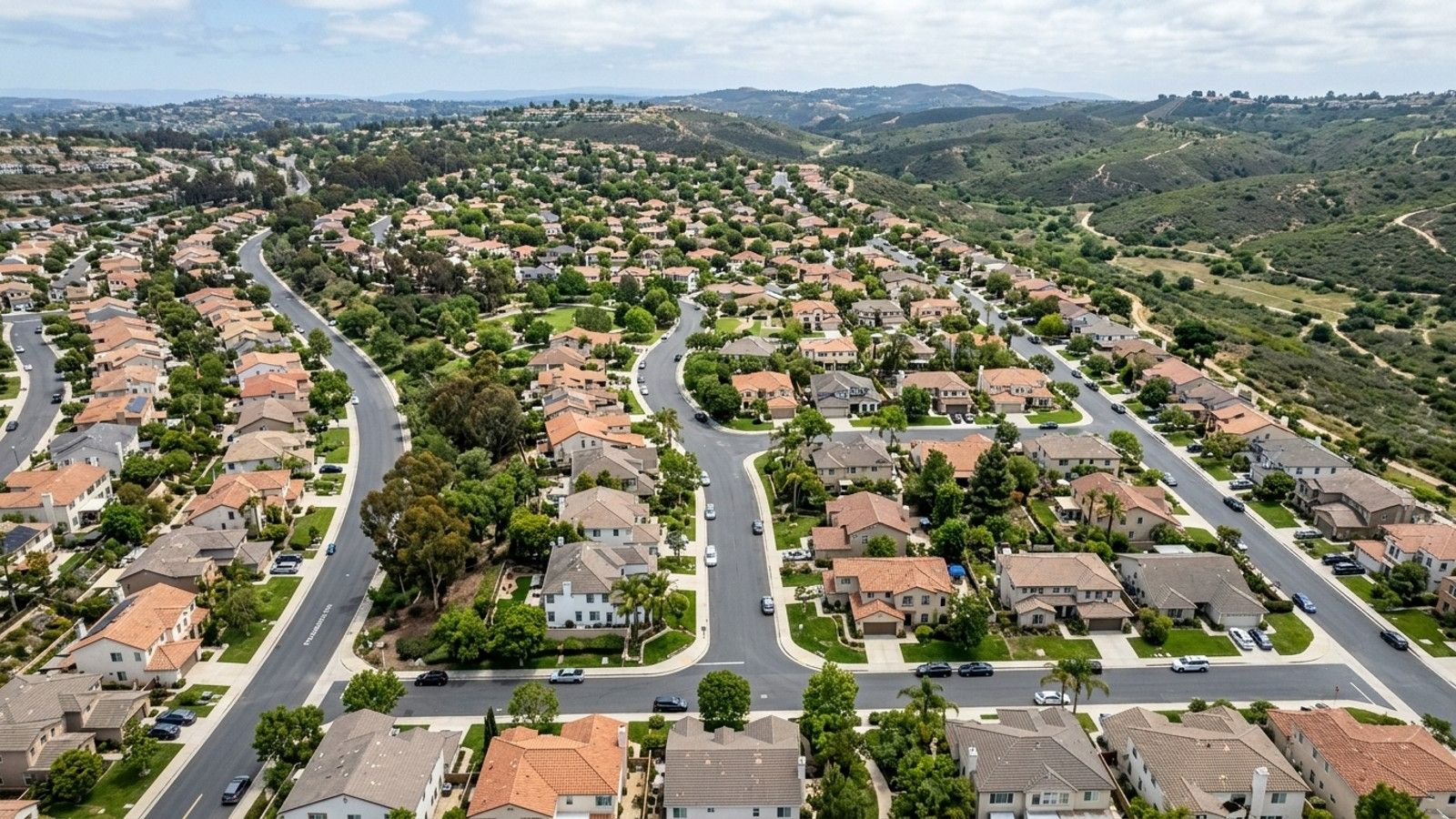
The median sale price for homes in zip code 92129 sits around $1,280,000 as of mid-2026, and properties are spending roughly 14 days on the market before going under contract. Homes are averaging 100.6% of asking price - meaning buyers around here aren't getting many concessions, and they know it. That environment puts a real premium on a clean, complete disclosure package when you sell a home in Rancho Penasquitos, CA. When a buyer is moving fast and paying over list, they need to trust what they're getting.
Understanding the Seller Disclosure Statement
A seller disclosure statement is a legally mandated packet of documents covering known defects, past repairs, and neighborhood hazards that could affect a home's value. It sets clear expectations for both buyers and sellers. California law requires sellers to deliver these details before closing - not as a courtesy, but as a condition of the transaction.
The Forms You'll Actually Fill Out
The core document is the Real Estate Transfer Disclosure Statement (TDS), required under Civil Code §1102. It has sections for the seller, the listing agent, and the buyer's agent to document their visual inspections. Alongside the TDS, you'll complete the Seller Property Questionnaire (SPQ), which digs into property history, insurance claims, HOA disputes, and permit issues.
From there, you'll also need the Agent Visual Inspection Disclosure (AVID) and the Natural Hazard Disclosure Statement (NHD). If the home was built before 1978, federal law adds a Lead-Based Paint Disclosure to that stack.
Why go through all of it? Because a buyer who knows about an aging roof or a past plumbing leak upfront can factor that into their offer. One who finds out six months after closing calls their attorney instead.
California Real Estate Disclosure Rules
State law is straightforward on this: sellers must reveal any known material facts that affect the property's value. Structural damage, neighborhood nuisances, boundary disputes - none of it stays private. The Statewide Buyer and Seller Advisory (SBSA) and Megan's Law database notices are standard parts of every transaction, and they remind buyers they have their own duty to investigate.
Selling "As-Is" Doesn't Mean Disclosing Less
A lot of sellers misunderstand this. Listing a property as-is means you won't be making repairs - it does not mean you skip the TDS and SPQ. You still document the property's current condition in full.
The only real exemption from the standard TDS is for certain transaction types - probate sales, trust sales, REO properties - where the seller instead provides an Exempt Seller Disclosure (ESD). If your situation fits one of those categories, you'll know early in the process.
What Happens If You Withhold Something
Buyers who discover hidden damage after closing can sue for the cost of repairs and other damages. The safer path is always to over-disclose. If you're debating whether something is worth mentioning, it is.
Completing the Real Property Disclosure Form
Just as you would when preparing your home for tours, go room by room. The form asks you to check off which appliances and systems are included in the sale, note whether any are malfunctioning, and answer direct questions about the property's history. Pull together past repair invoices and permit records before you sit down with it - guessing on these documents creates problems.
Structural and System Details
You'll document the age and condition of the roof, foundation, plumbing, and electrical systems. Replaced the HVAC unit? Repaired a foundation crack? Both go here, with details. Unpermitted work - a converted garage, an expanded patio completed without city approvals - also needs to be disclosed. Buyers have to know what's on the books and what isn't.
Environmental and Hazard Issues
The Natural Hazard Disclosure (NHD) is typically generated by a third-party company using state and local maps. It tells the buyer whether the home sits in a flood, fire, or earthquake hazard zone. You'll also provide Mello-Roos and property tax disclosures so buyers understand their full ongoing tax burden - not just the purchase price.
Deadlines and Timing
California law says the TDS must be delivered "as soon as practicable and before the transfer of title." In practice, standard procedure and the California Association of Realtors (C.A.R.) purchase agreement tighten that considerably. Sellers are expected to deliver the complete disclosure packet within seven days after the buyer's offer is accepted.
Don't sit on it. The later disclosures arrive, the more friction you create, which can needlessly extend the time to sell a house.
Buyer Cancellation Rights
If you deliver disclosures after the purchase agreement is signed, California law gives the buyer a statutory right to rescind. They have three days if the forms are delivered in person, five days if sent by mail or electronically. That cancellation right is completely separate from any standard inspection contingencies in the contract - it's its own standalone protection.
Local San Diego County Disclosures
Rancho Penasquitos has a few wrinkles that other San Diego neighborhoods don't. Because the area sits within the MCAS Miramar Airport Influence Area, sellers must disclose airport proximity, aircraft overflight, and noise contours through the Local Area Disclosures (LAD) booklet.
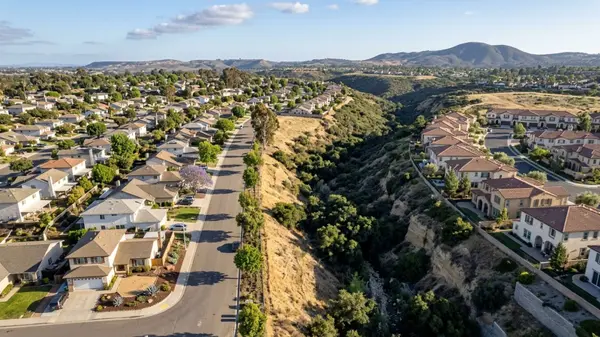
If your property borders the Los Peñasquitos Canyon Preserve, you'll also be dealing with the City of San Diego Fire-Rescue Department's Brush Management Regulations. Those rules require maintaining defensible space and vegetation clearance near wildland areas - and buyers need to know what they're signing up for.
Sale Price Transparency in California
California is not a non-disclosure state. Final sale prices are recorded by county assessors and become public record - anyone can look up what your neighbor's house sold for last month. That's actually useful for buyers, who can evaluate recent comparable sales with real numbers rather than guesses.
The condition disclosures work differently. The TDS and SPQ are private to the parties in the transaction. The public can see the price; they can't access the paperwork detailing what shape the house was in when it sold.
Together, those two things - public pricing data and mandatory condition disclosure - give buyers a reasonably clear picture of what they're walking into.
Frequently Asked Questions
What specific fire zone and canyon hazard disclosures are required for homes in Rancho Penasquitos?
If your property borders the Los Peñasquitos Canyon Preserve, you'll need to disclose the City of San Diego Fire-Rescue Department's Brush Management Regulations. Every seller also provides a Natural Hazard Disclosure (NHD) indicating whether the property sits in a designated fire or flood zone.
Do I have to disclose unpermitted room additions or patio covers when selling my Rancho Penasquitos house?
Yes. The Seller Property Questionnaire (SPQ) requires you to disclose any known unpermitted work, modifications, or room additions.
If I list my property "as-is," am I still legally required to fill out the California Transfer Disclosure Statement?
Yes. Selling as-is means you won't perform repairs - it doesn't change your obligation to complete the Transfer Disclosure Statement (TDS) and document all known defects.
If I disclose a major defect like expansive soil or foundation settling on the Seller Property Questionnaire, am I obligated to pay for the repairs?
No. Disclosing a defect informs the buyer it exists. You're not obligated to pay for repairs unless you explicitly agree to do so during contract negotiations.
How many days after accepting a buyer's offer do I have to provide the full seller disclosure packet?
Standard practice and the typical residential purchase agreement require sellers to deliver the completed disclosures within seven days of offer acceptance.
Categories
Recent Posts

GET MORE INFORMATION